Banker vs Player: Which Baccarat Bet Is Better?
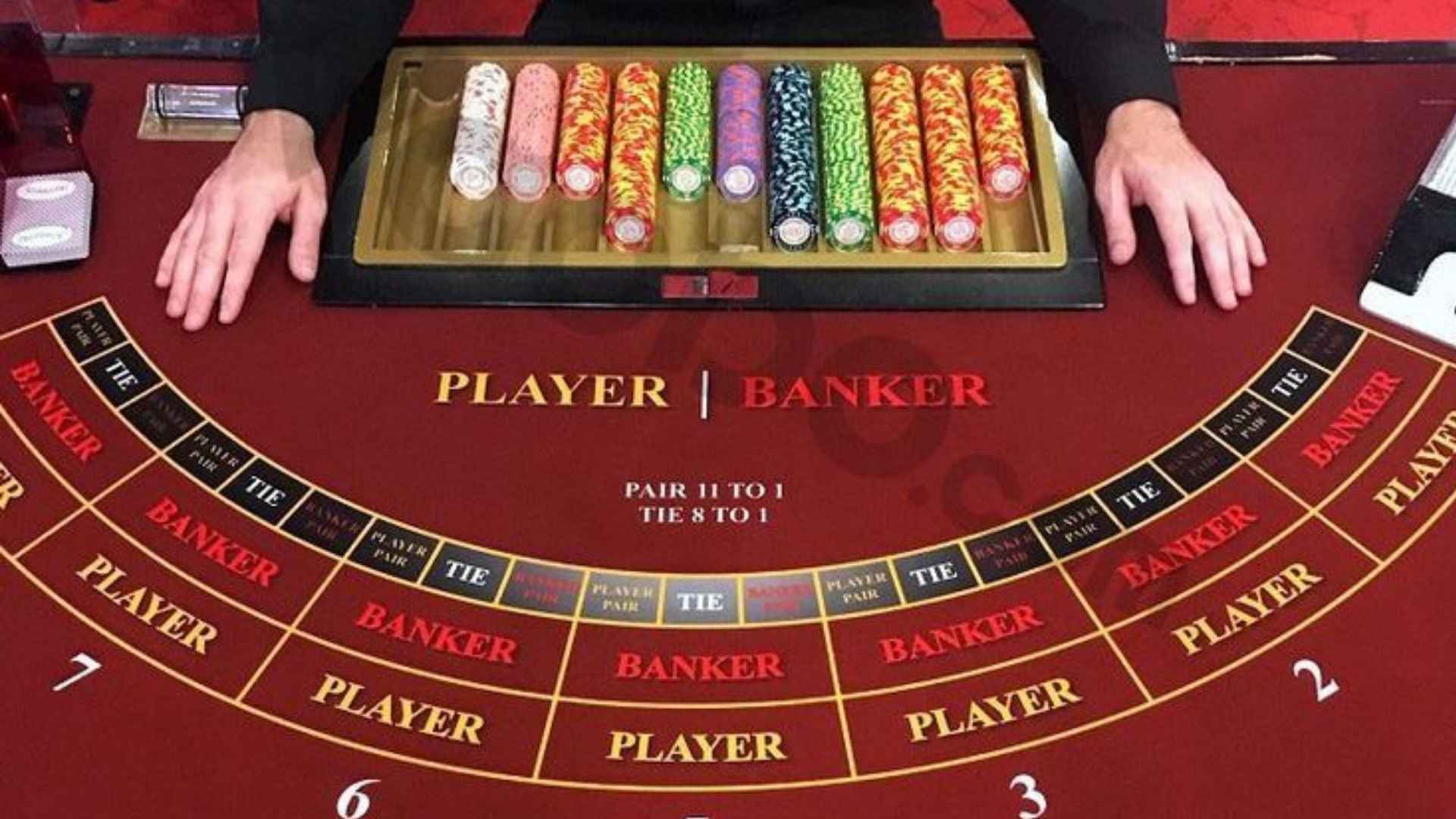
Baccarat remains one of the most compelling table games in the modern casino environment, drawing millions of players who appreciate its elegant simplicity. Unlike complex card games that require intensive mechanical decisions during play, this classic option distills the experience into a fundamental choice between two primary hands. Understanding the distinct structural dynamics between these choices is the key to optimizing your long-term approach at the tables.
The Mathematical Reality of the Banker Hand
When analyzing the core probabilities of the game, the banker position consistently emerges with a slight statistical advantage over the alternative options. Due to the specific drawing rules that dictate when a third card is dealt, the banker hand acts second, allowing it to leverage the established value of the opposing hand. This subtle structural difference results in a historical win probability of approximately forty-six percent across standard multi-deck shoes.
To balance this inherent mathematical advantage, casinos implement a standard five percent commission on all winning wagers placed on this position. Even after factoring in this deduction, the net house edge sits at an incredibly low one point zero six percent, making it highly reliable. Players looking to explore platforms that feature these precise dynamic ratios can find live dealer environments by accessing M88 casino for structured sessions.
Evaluating the Player Bet Dynamics
The player hand offers a straightforward alternative that appeals to those who prefer to receive full payouts without calculating commissions on their returns. Wagering on this side delivers a clean one-to-one return on your capital, meaning a successful outcome returns exactly what was initially risked. Statistically, this hand secures a winning total in roughly forty-four point six percent of all completed rounds.
Because it lacks the structural drawing advantages of acting second, the house edge for this particular position is slightly higher at one point twenty-four percent. While this difference appears minimal during a short session, it gradually influences capital preservation over hundreds of consecutive deals. Many participants still choose this option regularly to vary their engagement patterns and avoid tracking smaller commission changes.
The Trap of the Tie Outcome
Beyond the two primary positions, tables always feature a third option that allows participants to wager on an identical final score between both sides. This choice carries a highly alluring payout structure, typically returning eight-to-one or nine-to-one on your initial allocation. However, the probability of both hands matching perfectly sits at just under ten percent, making it an exceptionally rare occurrence.
This low probability translates to an institutional advantage that exceeds fourteen percent, which heavily drains available resources over extended play. Professional enthusiasts universally suggest avoiding this option entirely, treating it as an expensive distraction from the efficient main choices. Focusing strictly on the primary options is the most reliable way to maintain tactical discipline.
Establishing Long Term Session Rules
Achieving a balanced and sustainable experience depends heavily on implementing rigid bankroll boundaries rather than Relying on emotional hunches or past patterns. Because every deal represents an entirely independent statistical event, previous streaks hold zero influence over what cards will appear next. Successful participants treat each round as a standalone scenario governed by fixed mathematical boundaries.
By maintaining a flat wagering size and acknowledging the low house advantages, anyone can navigate the table with structured confidence. True mastery involves practicing steady capital management while completely ignoring erratic short-term outcomes. Prioritizing mathematical consistency over impulsive shifts remains the definitive strategy for long-term enjoyment.